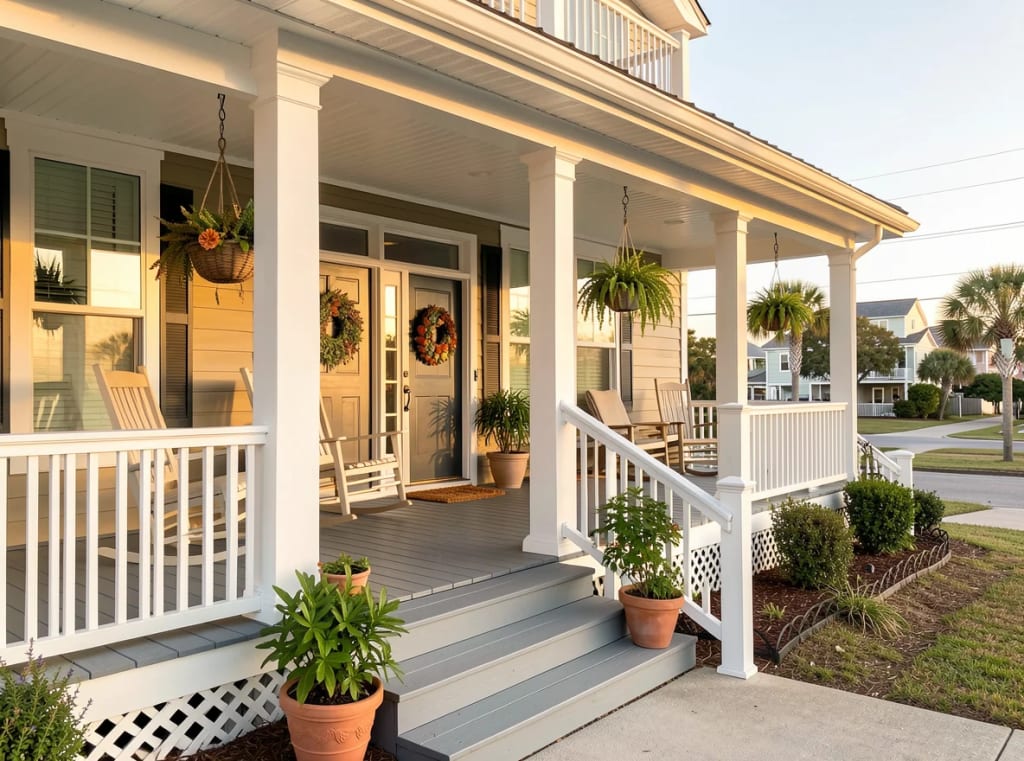
Compare Port Aransas and Rockport through the lens of lifestyle, home styles, storm-readiness, and budget so you can choose the Texas coastal town that best fits your next move.


Choosing between Port Aransas and Rockport often comes down to the kind of coastal routine you want every day. Port Aransas brings a more beach-centered pace, with golf carts, marina activity, surf culture, and homes shaped by island conditions. Rockport offers a bayfront small-town feel, where live oaks, fishing piers, art galleries, and quieter residential streets create a different rhythm.
In this article, we compare how each town feels to live in, what kinds of homes buyers typically encounter, and how practical concerns like storm readiness, insurance, and maintenance can influence a move. We also look at how budget expectations may shift between a raised beach-style property in Port Aransas and a cottage, ranch, or waterfront home in Rockport. If you are narrowing your search along the Coastal Bend, this guide is designed to help you weigh lifestyle, housing style, and day-to-day ownership considerations before deciding which community fits your next move.
For buyers comparing Port Aransas and Rockport, the biggest market difference is usually price pressure tied to location and housing type. Port Aransas often carries a higher entry point because of its island setting, vacation-home demand, and concentration of condos, short-term-rental properties, and elevated coastal homes near the beach. Rockport typically offers a broader spread of options, from classic ranch homes and bay-oriented cottages to waterfront properties, which can make pricing feel less compressed for full-time buyers.
Inventory also behaves differently in the two towns. In Port Aransas, available homes can tighten quickly when beach-season demand rises, especially for properties with Gulf access, marina proximity, or strong rental appeal. Rockport usually gives buyers more variety in lot size, neighborhood setting, and year-round residential inventory, though well-located bayfront homes still move fast. That means shoppers in Port Aransas may need to act quickly on highly specific inventory, while Rockport buyers can often compare more property styles before deciding.
Compared with larger Texas cities, both markets are more niche and lifestyle-driven. Pricing is influenced less by sheer subdivision volume and more by storm-readiness features, elevation, insurance considerations, water access, and whether a home fits second-home, investment, or primary-residence goals. For relocating buyers, that makes side-by-side property analysis especially important.
When buyers compare Port Aransas and Rockport, lifestyle often becomes the deciding factor long before square footage or finishes. Port Aransas tends to feel more energetic day to day, with beach access, golf cart traffic, charter boats, marinas, and a steady rhythm of visitors moving through town. That atmosphere appeals to buyers who want easy access to the Gulf, a more vacation-oriented setting, and a home base that stays active through much of the year.
Rockport offers a different pace. Life there often centers on bayfront views, fishing culture, local art, waterfront parks, and neighborhoods shaded by live oaks rather than dunes. Many relocating buyers prefer Rockport when they want a calmer residential feel, more everyday routine, and a setting that still delivers coastal character without quite the same tourist intensity. For buyers deciding between the two, the real question is whether you want beach-town motion in Port Aransas or a steadier bay-town cadence in Rockport.
If you are choosing between Port Aransas and Rockport, start with financing and insurance before you fall in love with a property. In Port Aransas, elevated homes, condos, and vacation-oriented properties can come with different lending standards, HOA rules, flood insurance costs, and storm-related underwriting requirements. In Rockport, buyers may find a wider mix of classic ranch homes, cottages, and waterfront properties, so loan structure, wind coverage, and repair reserves can vary from one neighborhood to the next. Ask your lender early about flood zones, windstorm eligibility, down payment options, and whether the property type affects approval.
Next, match the home to your day-to-day lifestyle. Port Aransas often appeals to buyers who want beach access, marina activity, golf-cart mobility, and a more tourism-driven setting. Rockport may suit buyers looking for bayfront living, live oak-shaded streets, fishing access, and a steadier small-town rhythm. Review elevation, parking, storage for boats or gear, exterior materials, and storm-readiness features such as impact-resistant windows, shutters, or newer roofing.
Because both markets are smaller than major Texas metros, inventory can shift quickly and the right fit may not appear every week. Buyers should watch new listings closely, compare total ownership costs instead of just list price, and be ready to act when a property aligns with both budget and lifestyle priorities.
If you are selling in Port Aransas or Rockport, preparation should reflect how buyers evaluate coastal property. In Port Aransas, buyers often focus on beach access, elevated construction, outdoor living space, and the condition of decks, stairs, and exterior materials exposed to salt air. In Rockport, many shoppers pay close attention to bay access, shaded outdoor areas, storm-readiness features, and the overall upkeep of cottages, ranch homes, or waterfront properties.
Pricing also needs to match each town’s buyer pool. Port Aransas can attract second-home and vacation-property interest, while Rockport often appeals to buyers seeking a steadier bayfront lifestyle. Review recent comparable sales, active competition, and property condition before setting a list price. Marketing should highlight the details coastal buyers compare most closely, including porches, pilings, shutters, parking, and proximity to marinas, beaches, or Little Bay amenities.
Sign in with your email address
You’re being redirected to the page with listing data.