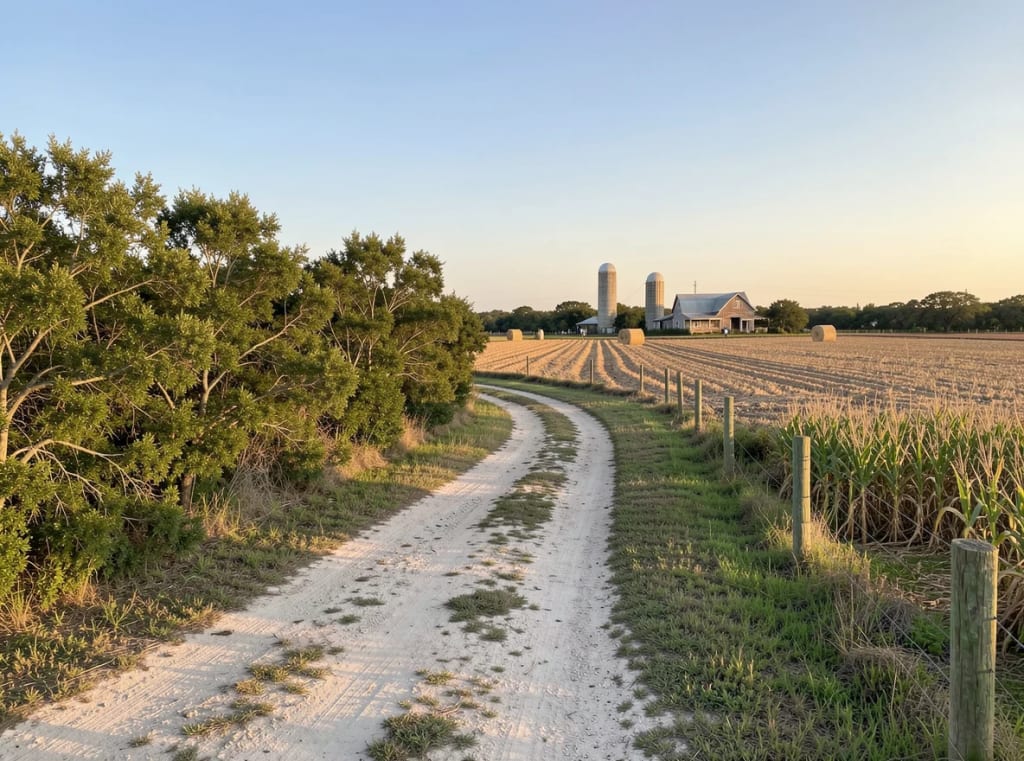
Learn what buyers should evaluate in Freer, TX, from lot size and road access to septic, wells, and property condition, so you can compare rural homes with more confidence.

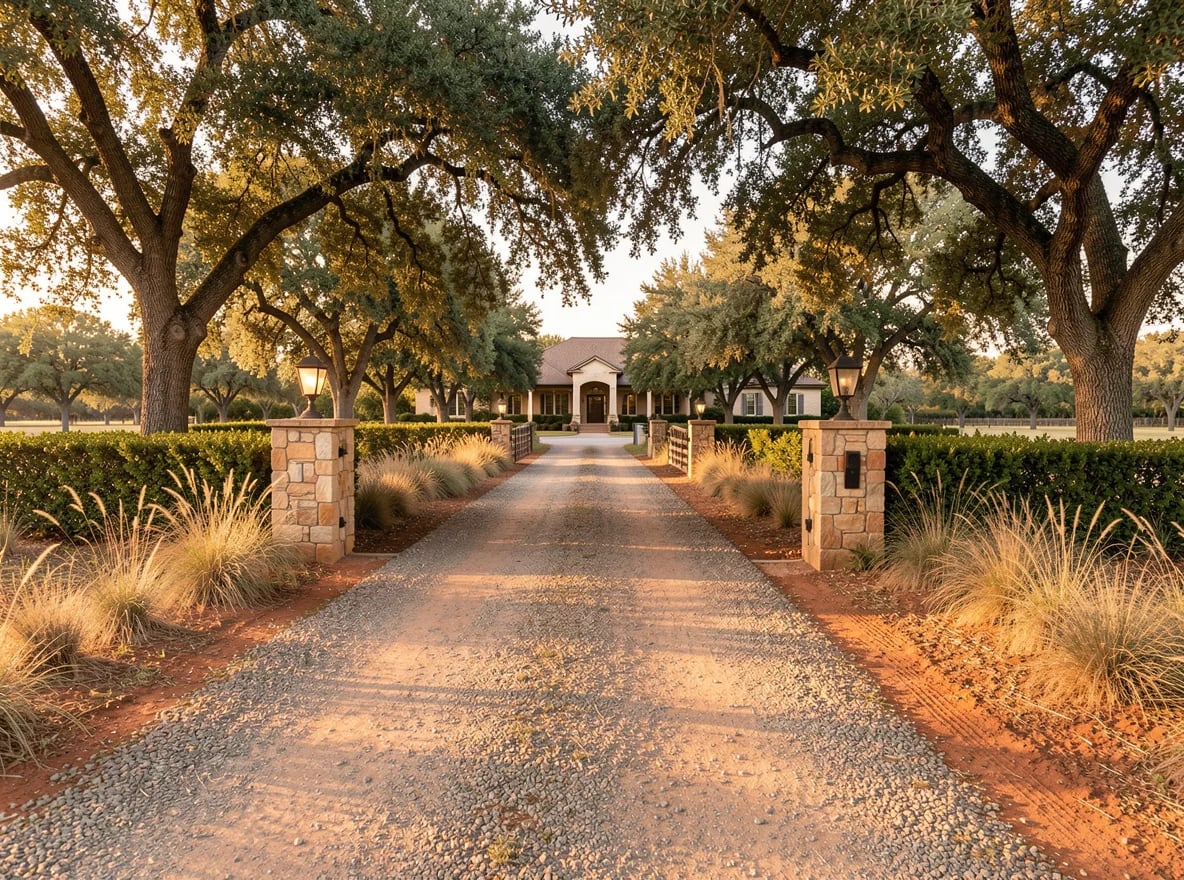
Buying in Freer means looking beyond square footage and finishes. This South Texas brush-country market often includes larger lots, caliche driveways, older utility setups, and homes where septic, well access, or road frontage can matter just as much as the house itself. For buyers used to city neighborhoods, that shift can change how you compare properties and budget for ownership.
As you begin your search, pay close attention to practical details: whether the property has public water or a private well, the age and condition of any septic system, flood and drainage patterns after storms, and how easily the home can be reached in wet weather. In Freer, modest ranch houses, brick veneer homes, and manufactured properties each come with different maintenance expectations. Understanding those differences early helps buyers ask better questions, avoid surprises, and focus on homes that truly fit rural living.
For buyers considering Freer, community features matter in a practical way. This is a rural South Texas town where daily life is shaped less by large master-planned amenities and more by dependable local gathering places, school events, churches, parks, and small-town traditions. Families often look closely at how close a property sits to school facilities, open fields, and the places where parades, rodeo activities, and local fairs bring residents together. Those routines can tell you a lot about how connected a neighborhood feels and how much driving may be part of everyday life.
Freer’s appeal is tied to its brush-country identity and straightforward lifestyle. Outdoor gatherings, community events, and nearby ranchland recreation help create a sense of familiarity that many rural buyers value. For retirees, that can mean a quieter pace and established local relationships. For working households, it can mean balancing privacy and larger lots with access to basic services, road connections, and town conveniences. When evaluating homes in Freer, it helps to look beyond the house itself and consider how the property fits into the town’s rhythms, travel patterns, and community touchpoints.
For buyers comparing South Texas markets, Rockport offers a different mix than inland towns like Freer. Instead of larger rural tracts and utility questions centered on wells, septic systems, and road access, Rockport buyers often focus on location, storm resilience, and property type. The market commonly includes waterfront homes, fishing cottages, condos, and established single-family residences near the bay or downtown.
Price points can vary widely, but many buyers will see entry-level opportunities starting around the low-to-mid $200,000s, with updated cottages and well-located homes moving higher, and waterfront or canal-front properties often reaching well beyond that range. Condos can appeal to buyers seeking lower-maintenance coastal ownership, while detached homes may offer more storage, yard space, or room for boats and gear. In today’s market, buyers should expect to compare insurance costs, flood-zone considerations, and condition details carefully before making an offer.
By the time buyers reach this stage of a Freer home or land search, the biggest questions usually shift from square footage to infrastructure. In and around Freer, a property may rely on a private well, septic system, propane, or a mix of rural utility arrangements that differ from what buyers expect in a larger city. That makes due diligence especially important. Before moving forward, ask whether the home is connected to public water, how old the septic system is, whether it has been serviced, and if there are any known drainage issues after heavy South Texas storms.
Road access matters just as much. Some rural properties sit on paved roads, while others may depend on caliche or gravel access that can affect daily driving, delivery service, and long-term maintenance. Buyers should also confirm boundary lines, easements, and whether the route to the property is straightforward for work trucks, trailers, or emergency vehicles. In Freer, practical details like utility setup, lot condition, and access often have a bigger impact on value and livability than cosmetic finishes. Taking time to verify those basics can help buyers avoid surprises and make a more confident decision.
Before touring homes or small acreage in Freer, build your search around the basics that affect day-to-day use: water, wastewater, road access, and overall property condition. In this part of Duval County, buyers should ask early whether a home is connected to city utilities or relies on a private well and septic system. That answer affects inspections, maintenance planning, and long-term costs.
It also helps to look closely at the lot itself. In Freer, caliche driveways, drainage patterns, fencing, and outbuildings can matter as much as square footage. After rain, low spots and dry creek channels may reveal issues you would miss on a quick showing. Alma Cantu-Martin can help buyers compare properties, flag practical questions for sellers, and coordinate the right inspections so rural homes are evaluated on the factors that matter most in Freer.
Sign in with your email address
You’re being redirected to the page with listing data.